For entrepreneurs
MVP development: what to build first when you have an app idea
Schatz & Schatz LTD · · 3 min read
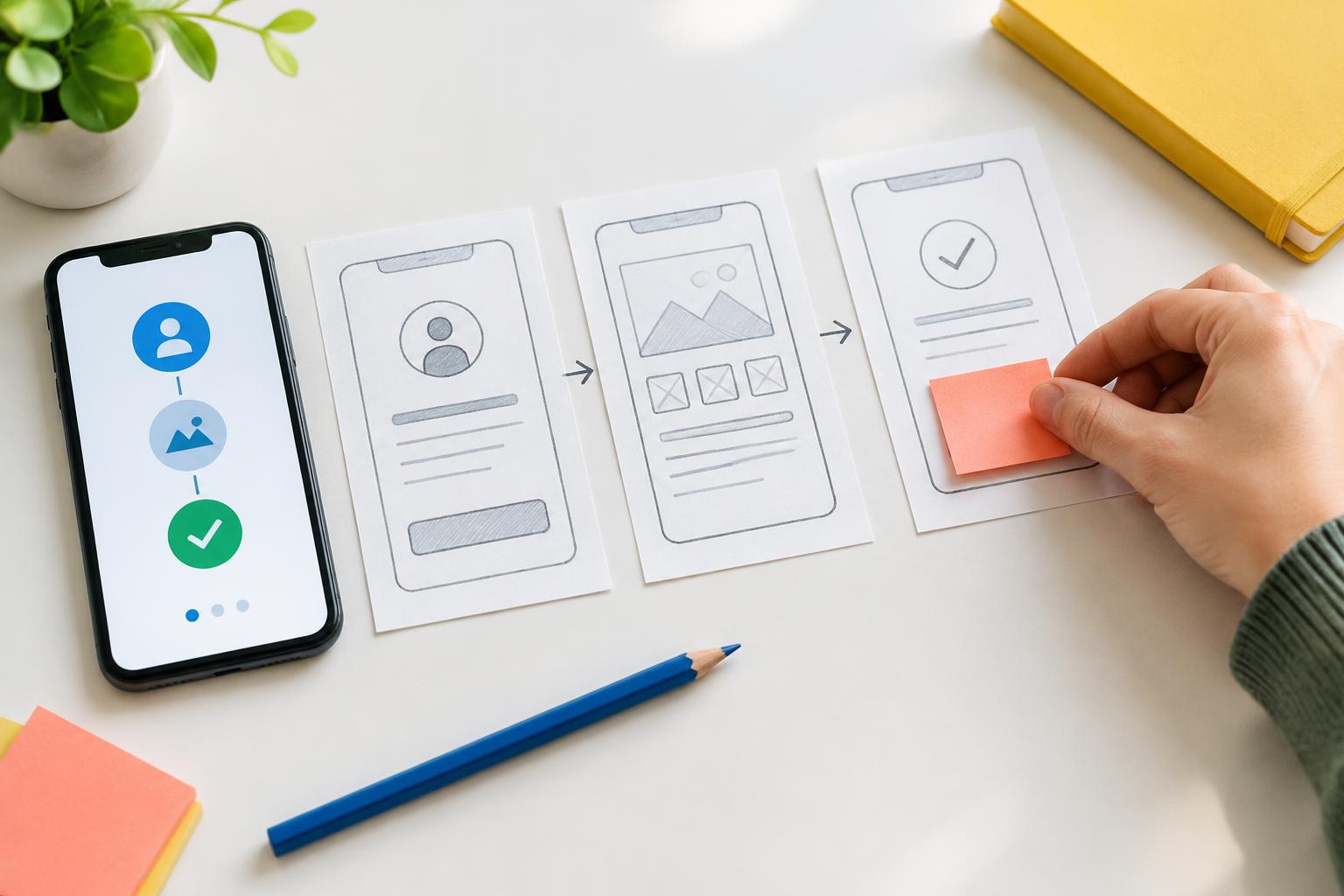
An MVP—a minimum viable product—is a small working version of a product designed to test an important assumption. It is not simply a cheaper copy of your entire idea. For an entrepreneur, the useful question is: what is the smallest complete experience that can show whether the right people find this valuable?
Choose one user and one useful outcome
Start with a sentence: ‘This product helps this person do this task.’ If that sentence contains several audiences and a long list of tasks, narrow it. A first release is easier to assess when it solves one recognisable problem instead of offering many disconnected features.
The products in our portfolio illustrate different purposes: LoverCompass focuses on interpreting relationship chat screenshots; The Rich Library centres on learning resources; Sarah AI Therapist offers supportive wellbeing conversation. These are examples of product positioning, not a claim that every app should use AI or follow the same business model.
Keep the whole core journey, reduce the extras
Map the path from a person arriving to achieving the outcome. If they cannot finish that journey, the product may be small but it is not yet useful. Prioritise the pieces that make the core task work, including understandable errors, basic accessibility and a way to ask for help.
Features such as several account types, complex loyalty systems or multiple payment plans may be unnecessary for a first test. Conversely, privacy and security are not optional extras just because the product is an MVP. Decide what data is genuinely needed and how it will be handled before building.
Pick a platform for the task, not the label
A web app may make sense when people need access through a link without installing anything. An Android app may be relevant when the experience depends on mobile use or distribution through an app store. Some ideas need both eventually, but that does not mean both must be built first.
Discuss the actual requirements: notifications, camera access, offline use, account management and payments can affect the platform decision. Ask what can be tested now and what would have to change for a later release. There is no universal price or timeline for an MVP; scope and constraints determine the work.
Prepare a brief that can become a quote
You do not need a technical specification to contact us. A concise brief is enough to begin a conversation. Include what matters most and identify which details are still assumptions.
- Who will use the product and what task should they complete?
- What must be included in the first version—and what can wait?
- Do you need a website, web app, Android app or help choosing?
- What approximate budget and target timing should the team consider?
- How will you tell whether the first version has helped users?
Turn the idea into a specific next step
Schatz & Schatz builds digital products for its own portfolio and offers project work through our Hire page. Send your idea and constraints so we can review the scope and discuss a quote. We do not promise a fixed delivery date or a successful business before understanding the work.
If you are not commissioning an app but want to support the studio’s own projects, our Crowdfunder is a separate route. If you are considering an investment, start with our portfolio and investment page rather than a development quote.